
Imagine the perfect scenario: you apply for a project, get selected, the client sends you a brief, you do the work, everyone is happy, curtain falls...
How does it really go? You’ll likely be the one creating the brief yourself (about 80% chance). This is a key moment—your first “virtual handshake.” And it needs to go smoothly, right?
The main problems with briefs:
Now to the fun part. We've collected 10 rules for creating the perfect brief (regardless of the services you provide, we tried to make them as universal yet practical as possible).
Rule 1. Make an introduction
Yes, just like in real life. This is the most comprehensive section of your brief. Your goal is to gather as much background as possible, so you don’t torture the client with long calls and endless messages later. Here are a few typical questions your brief should include.

Rule 2
Don’t start with complicated phrasing like “how would you describe your positioning on the international market” or “have you tried omnichannel campaigns.” That’s a disaster. Such wording makes you sound like a show-off, not a pro :) Any complex question can be “wrapped” in a simpler, clearer form. Here are some examples:
Debug – step-by-step code tracing to find an error or understand the program’s logic.
Native – designed specifically for a certain platform.
Tutorial – a guide.
See? Easy.
Rule 3
While asking questions, demonstrate the full range of services you offer. For example: will you need app design or motion design later on? This is a great way to “gently” showcase the value you can bring.
Rule 4
Questions should be short and specific. Why? Everyone loves to ramble. Your goal is to guide the client and get useful, actionable information. It’s better to ask two simple questions than one complex, vague one.
Rule 5
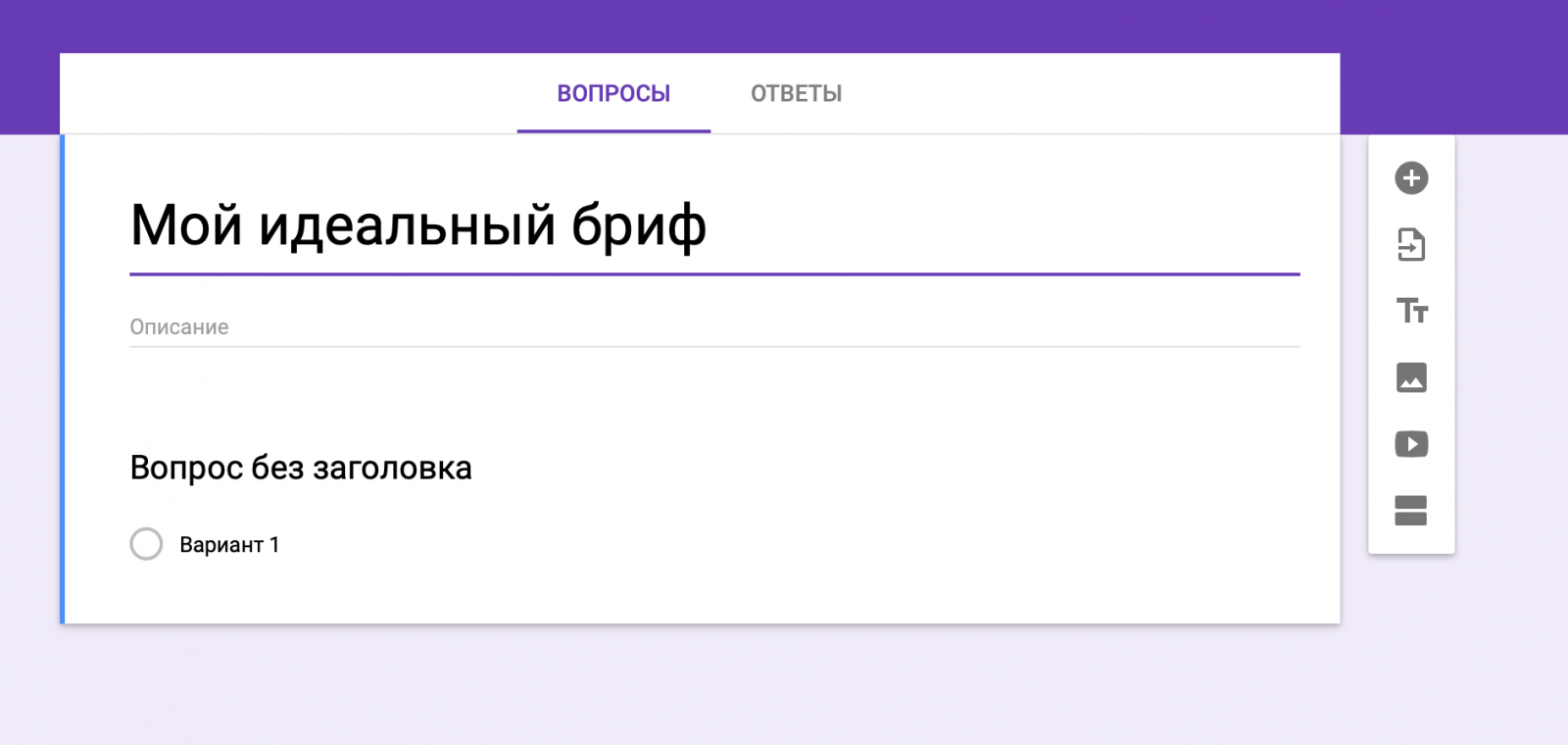
Obvious, but often forgotten. No file downloads or, heaven forbid… PDFs. Only a convenient online form accessible via a link. Ideally—Google Docs or Google Form. Create the form, send the client the link. Even better—prepare a few templates in advance and reuse them.
Rule 6
Don’t be shy about discussing competitors. Ask as many questions about them as possible. First, it shows you've done at least some market research. Second, this info becomes a “crutch” for future work. You know why many clients decide to rebrand or get a new website/logo? Because their competitor just did it—and did it well :)
Rule 7
Don’t ask “what’s your budget?” Instead, suggest a range. Offer three options with clear details and fixed prices (this doesn’t replace earlier price discussions). This method helps shy freelancers get fair payment.

Rule 8
Give examples. If a question might seem confusing, provide example answers. What’s hard for you is even harder for the client. Examples help set the right direction.
Rule 9
No “creative” or “fun” formatting. This isn’t a school survey or your personal art project.
Rule 10
MOST IMPORTANT: segment properly. Any brief can be broken down into 7 parts: goals and expectations, your brand, competitors, customers, product/service description, additional files/links, and budget.
And finally, if you can do a follow-up interview based on your brief—do it. Skype, Telegram, VK—any voice call will work. Even better if it’s a video call. It builds trust and improves communication.
If the client takes more than three days to fill out the form, offer a call instead. Misunderstandings and extra questions often come up after a brief. An interview can prevent them.

Learn more about working with clients, building proper communication, and client retention in our course Freelancer: The Big Game.
Show care for your clients :)