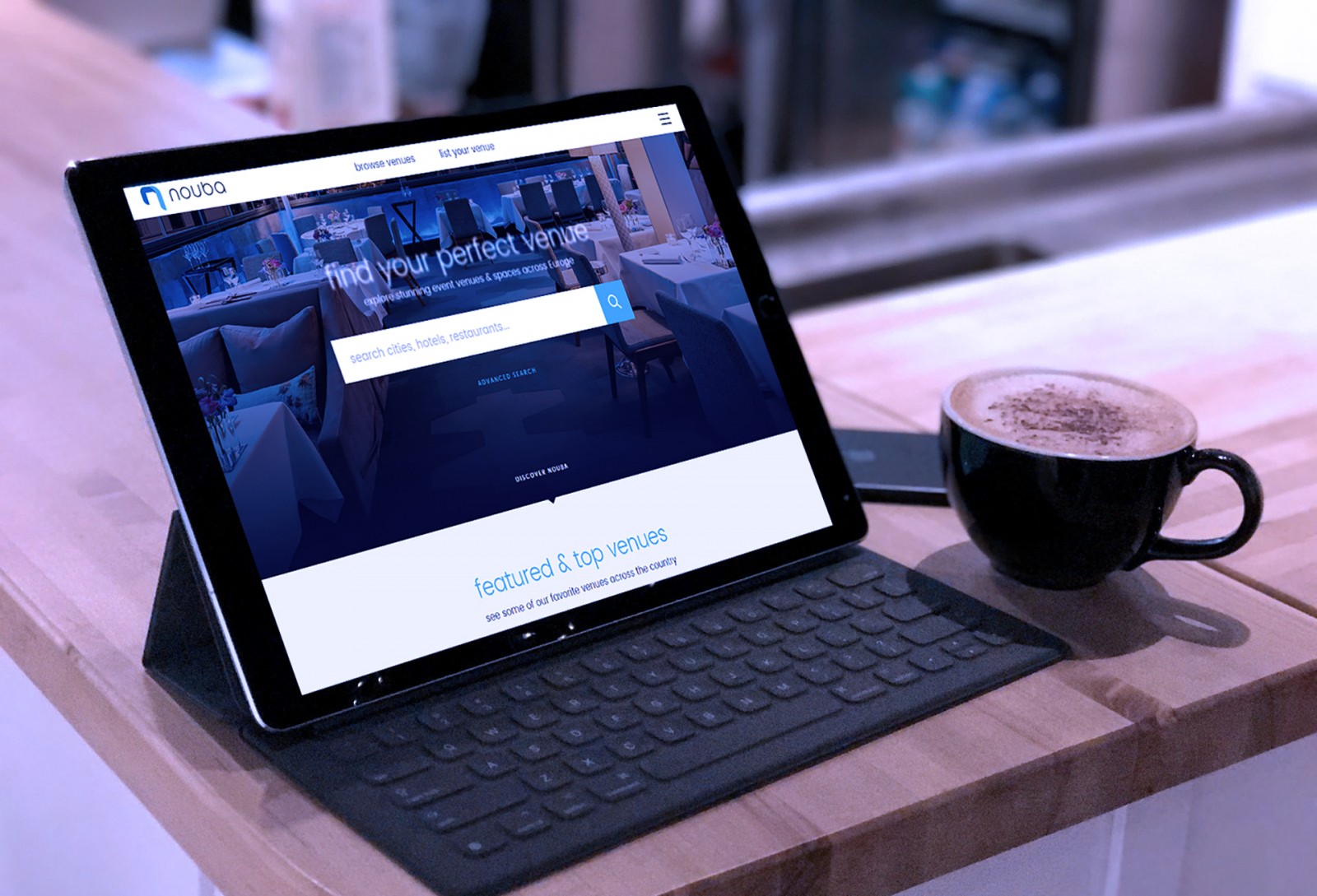
Design, rebranding, logos – all of these frequently evolve, change their shapes, colors, typography, while still maintaining simplicity and elegance. Each year, an incredible number of websites and company brands emerge online, so it’s no surprise that logos are becoming more and more simple, minimalistic, and less artistic.
At the same time, web designers and illustrators aim to create a strong connection between a site’s design, its app, and its logo. As a result, websites vary widely and stand out from one another. On the other hand, logo trends do not change as frequently as web design trends , but each year certain details emerge that become distinctive features.
In this article, we’ll take a look at how logos are being created today and how they’ve evolved over the past year, how this impacts web design (or doesn’t), and where true simplicity and universality of logos lie. We’ll also try to identify the timeless trends – the ones that are always present and form the foundation of logo design.
Lowercase letters
A key style feature – strong typography for all characters. The shift toward word-based logos is no accident, as more and more web designers are fascinated with typographic development. What’s truly eye-catching is the use of only lowercase letters, which easily draws attention. The charm of this lies in the way such a logo can clearly represent the brand or company name and make it more memorable. For lowercase logos to truly work, take a look at:
Great examples can be seen at bruederl , communitysectorbanking , dubois , xchangekelowna , talentohcm . These logos are clean and spacious, with enough room between geometric elements and text to keep everything visually balanced and legible.


Geometry of shapes and lines
Since we’ve already touched on shapes and lines, let’s highlight another timeless logo trend. In fact, this trend is also eternal in web design , and that’s why it’s widely used in logo creation. But unlike web design, logos rely on clean, basic forms like squares, into which letters or brand elements are embedded while maintaining set width and height proportions.
This practice emerged from the need to standardize logos across media outlets, social profiles, and ensure ease of future use. As a result, certain structural principles were developed for this purpose.
Logos with this approach can be seen at wrayward , machinesound , arch-teco , fleet , gaertnerei-zmugg , mobirise , bootsandroses . Whether it’s a single line, a series of dots, or thick dividers, all these visual tools emphasize the words and letters, helping the eye read and process the logo more easily.


Initials and acronyms
Today, it feels like our lives revolve around acronyms and initials. There are countless abbreviations in both local and global contexts — used everywhere, even in spoken language. And this trend has naturally found its way into logo design (more so than into web design). Whether it’s the main or alternate version of a logo, shortened forms are extremely common — though often, they could be replaced with something more creative or descriptive.
In terms of typography, logos using initials tend to favor custom or decorative styles — intricate curves, bold slabs, angular edges, or stylized embellishments. These fonts are often unsuitable for full-site text, as they’re harder to read, but perfect for logos, where the goal is to make an immediate impression and stay in the viewer’s memory. That’s why initials are so effective: people see a letter or pair of letters and feel compelled to discover their meaning — is this the brand they know or something new with similar initials?
So, what should you pay attention to?
Look at the logos on lstore , jtbstudios , odc2017 , marcelogil , cheesetart , beoplay . These may seem simple or understated at first, but they function as logos, menu icons, brand identifiers — and more.


Circles and round shapes
The circle is often seen as a symbol of strength, harmony, infinity, and energy. That’s why it remains a staple in design — including web design. Circular logos are common and often paired with artistic illustrations, text, lines, and abstract forms. Circles also work well for social media icons and print materials (business cards, letterheads). So circular logos (or logos within circles/ovals) are frequently used as both primary and secondary versions. Over the past few years, this trend has become deeply rooted, and it continues to thrive, especially when rebranding is needed.
So what should you keep in mind when working with circular logos?
You can find beautiful, balanced examples at tofinoresortandmarina , lightful , understandingdementia , ubisoft , blueopsmission , clearmedia , maydayhealthcareplc and others mentioned earlier. Each is unique — some use the circle as a frame, others integrate it with icons and words, and some use circles as supporting elements. Yet they all align with their site’s theme — nature, sustainability, cloud services. In other words: infinity, energy, and harmony.


Final thoughts
Logo trends are built on combinations — of form, concept, and execution. While mainstream design trends change quickly, logo trends are usually designed to last much longer. This often creates a bit of a “war” among designers who want to innovate while also staying relevant. But not every bold idea survives the test of time.
If you look closely at the trends we've discussed, they all remain relevant year after year — no matter the style or direction of a website. These elements have been used for decades and could rightfully be called the standards of logo design.
Of course, when a client asks for something truly new and long-lasting, the challenge (and price) increases. But even in those cases, the final design is usually rooted in core trends. To ensure longevity, classicism — combined with geometric structure and visual logic — is a strong foundation. Aesthetic design, harmony, and clarity result in logos that are both visually appealing and easy to remember for years to come.